
Preserving the cultural assets of our hometown Kyoto
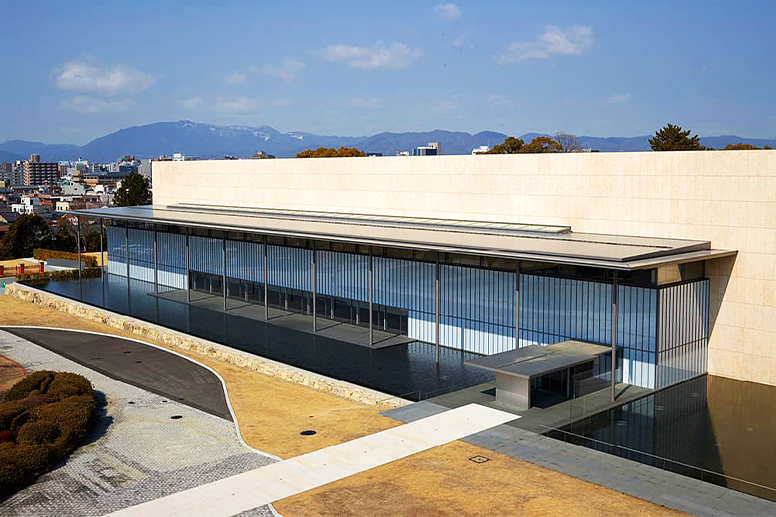
Opened in 1897, with the major goal of protecting cultural assets in danger of being destroyed in the melee or taken out of the country and scattered across the globe at the beginning of the Meiji restoration, the museum was designed by the imperially approved leading architect Tokuma Katayama. His symbolic red brick annex and entranceway are now Important Cultural Properties (currently not being used for exhibitions). In 2014, the Heisei Chishinkan Wing was built on the design of the world-famous architect Taniguchi Yoshio. This new wing features a spacious front lobby that bathes visitors in soft natural light.
Most of the works come from Japan and the rest from the Orient. The periods and types are extremely diverse. Among these, items that stand out include archeological relics from the Tumulus period, textiles and costumes, ceramics, sculptures, paintings, calligraphy, lacquerware, armor and swords. In particular, many exhibits have been entrusted to the museum by temples and shrines in Kyoto. And, some of these are National Treasures and Important Cultural Properties.
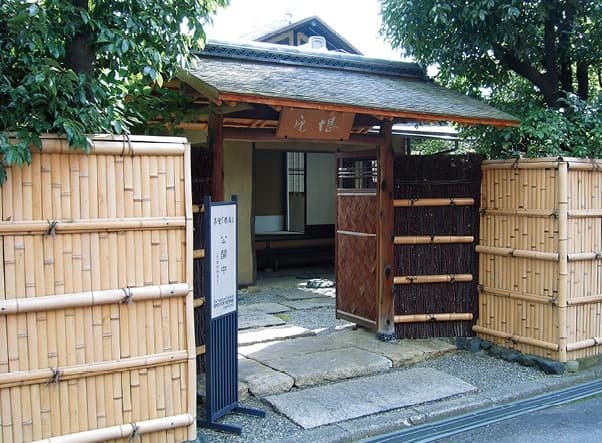
The spacious garden is divided into four areas, displaying pieces like a stone Buddha statue from the Heian period, gravestones from the Kamakura period, the tea arbor “Tan’an” in the sukiya-zukuri style and Rodin’s The Thinker..
Facility Information
| Facility name | Kyoto National Museum |
|---|---|
| Address | 527 Chaya-cho, Higashiyama-ku |
| URL | https://www.kyohaku.go.jp |
| Contact | 075-525-2473(telephone service) |
Please check each facility's website for opening hours, fees, and other details.