Treasures connected to the Imperial family also kept here
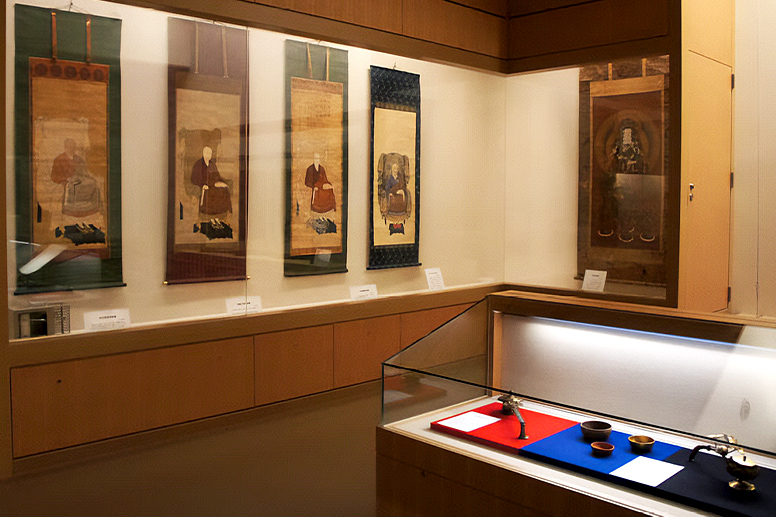
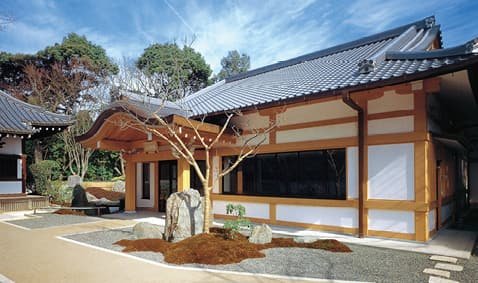
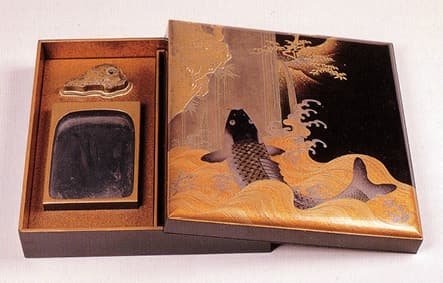
It is said that the predecessor of Sen’nyu-ji Temple was Horin-ji Temple (later renamed Senyu-ji Temple) built by order of Fujiwara no Otsugu, a devotee to High Priest Jinshu, in the Heian period. Later, in 1226, Priest Shunjo (Getsurin Daishi) rebuilt the temple after returning from Song China and renamed it Sen’nyu-ji Temple after a gushing spring (which the word “sen’nyu” means) in one corner of the temple grounds. Since Emperor Shijo was buried here in 1242, the temple has been revered as a temple in charge of memorial services for the souls of some successive emperors (Imperial Kogein). The temple’s treasures include the Kan'enso (a written request for donation to the temple, designated as a National Treasure) by the temple founder Getsurin Daishi, as well as many other important cultural properties designated by the Japanese government and prefectural and municipal cultural properties. In addition, since the temple has been in charge of memorial services for the imperial family, it also houses the portraits and personal belongings of successive emperors. The museum Shinsho-den was established to preserve, manage, and exhibit these cultural properties. Rooms 1 and 2, dedicated to different themes, each host three special exhibitions a year about the history of Sen’nyu-ji Temple and Buddhism.
Facility Information
| Facility name | Sennyu-ji Temple Museum Shinsho-den |
|---|---|
| Address | 27 Sennyuji Yamanouchi-cho Higashiyama-ku |
| URL | https://mitera.org/ |
| Contact | 075-561-1551 |
Please check each facility's website for opening hours, fees, and other details.