
See and weave Nishijin textiles and have a variety of experiences
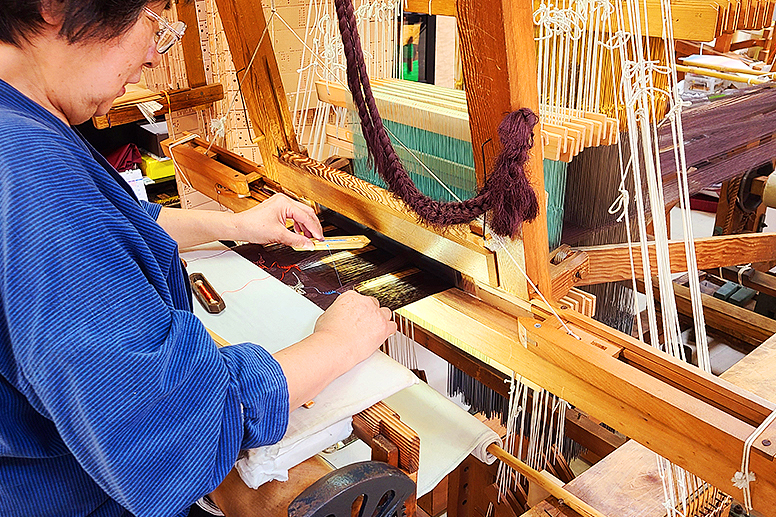
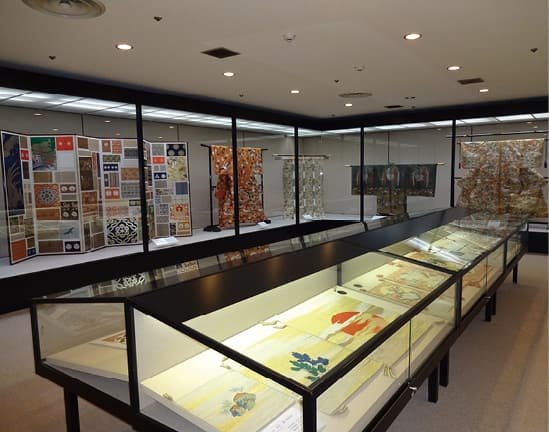
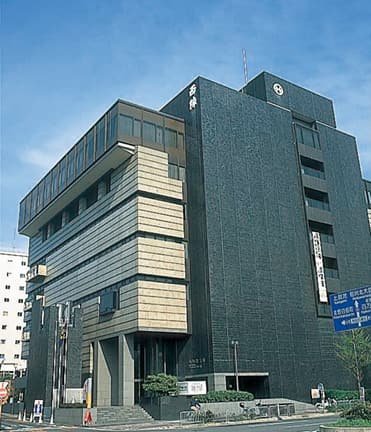
Around the 5th or 6th century, the Hata clan, who came from the Korean Peninsula, brought sericulture and silk weaving techniques to Uzumasa, which led to the flourishing production of high-quality silk fabrics for the court aristocrats of Heian-kyo. During the Onin War (1467-1477) that occurred during the Muromachi period, artisans fled to Sakai, Yamaguchi, and other areas, but after the war they returned to the site of the headquarters of the Western Army led by Yamana Sozen and once again revived weaving. This is where the name “”Nishijin-ori“” comes from. At the Nishijin Textile Center, historical documents and textile works that reveal the history of Nishijin are on permanent display. You can also see demonstrations of handloom weaving by artisans and silkworm rearing. During the hand weaving experience, you can make a mini table center, try on a 12-layered kimono or a geisha or maiko kimono, and even stroll around town in a kimono. Nishijin textiles are also sold here, allowing visitors to enjoy a variety of traditions unique to the region.
Facility Information
| Facility name | Nishijin Textile Center |
|---|---|
| Address | Horikawa-dori Imadegawa-Minami-iru, Kamigyo-ku |
| URL | https://nishijin.or.jp/ |
| Contact | 075-451-9231 |
Please check each facility's website for opening hours, fees, and other details.