
A temple woven into the lives of the Imperial, Tokugawa and Toyotomi families
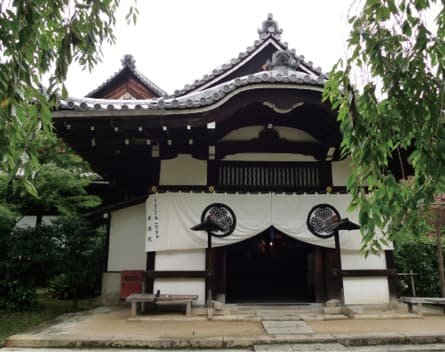
Built in 1594 to commemorate Nagamasa Asai, the father of Yodo-dono (Hideyoshi’s concubine), this temple took Asai’s posthumous Buddhist name “Yogen” as its name. Lightening burned the temple down in 1619, but pleas from Sugenin (sister of Yodo-dono), the wife of the second Tokugawa shogun, Hidetada, got the temple rebuilt in 1621 using materials from the dismantled Fushimi castle. Thus, it became the Tokugawa burial place, holding mortuary tablets of shoguns up to the 14th generation. In a rare move, the crests of the Imperial, Tokugawa and Toyotomi families are to be found on the tablets of both Hidetada and Sugenin.
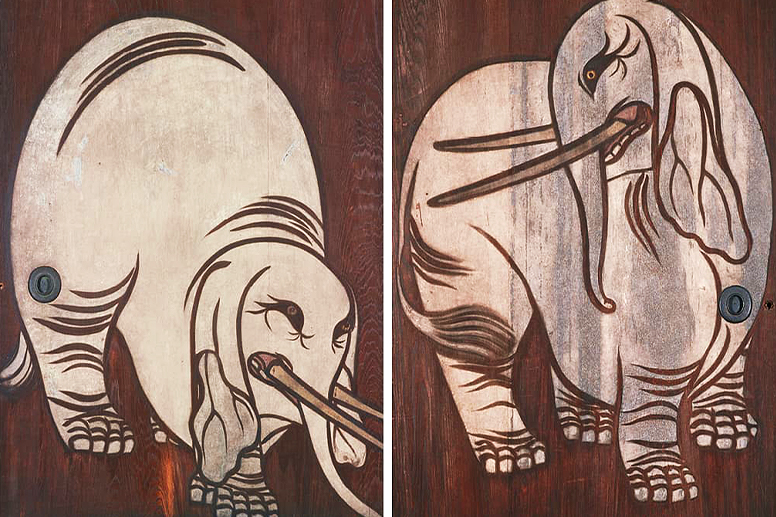
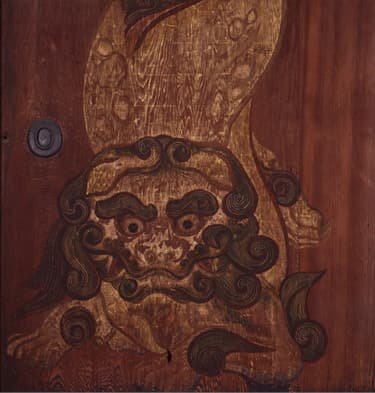
It is famed for artworks such as partitions with “white elephants”, “lion”, “giraffes” and “pine tree” by Sotatsu Tawaraya and “peonies” by Sanraku Kano. Also renowned are the “uguisu-bari” (warbling) corridor floor built by the sculptor Jingoro Hidari in early Edo times and the corridor’s ceiling (flooring from Fushimi Castle), which is said to be stained with the blood of Mototada Torii (a Tokugawa retainer who died a violent death with his troops defending Fushimi castle).
In February 2016, the Hondo and Gomado halls, the Chumon inner gate and Shorodo bell tower were designated Important Cultural Properties.
Facility Information
| Facility name | Yogen-in Temple |
|---|---|
| Address | 656 Sanju-sangendomawari-cho, Higashiyama-ku |
| URL | https://yougenin.jp |
| Contact | 075-561-3887 |
Please check each facility's website for opening hours, fees, and other details.